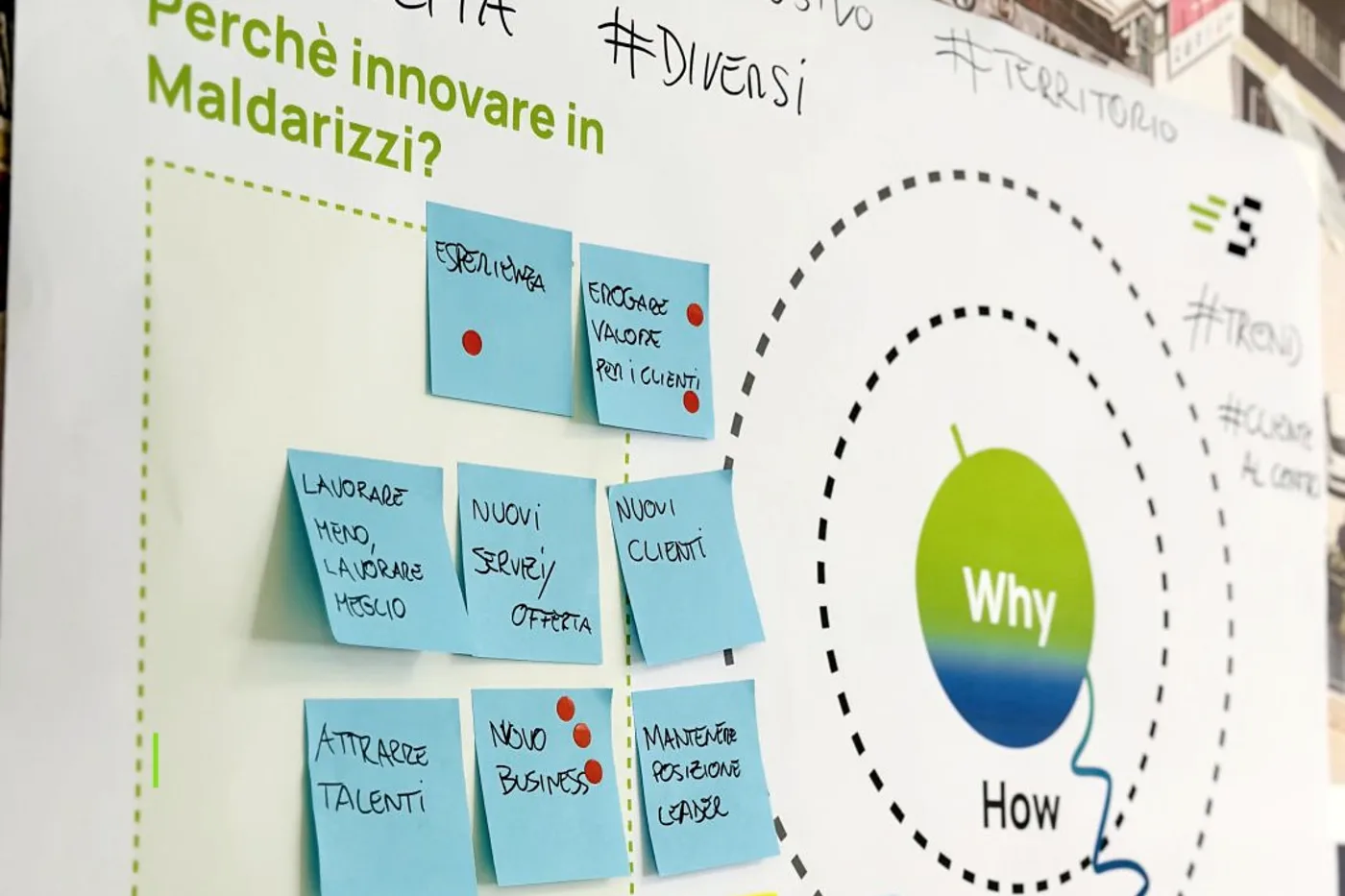
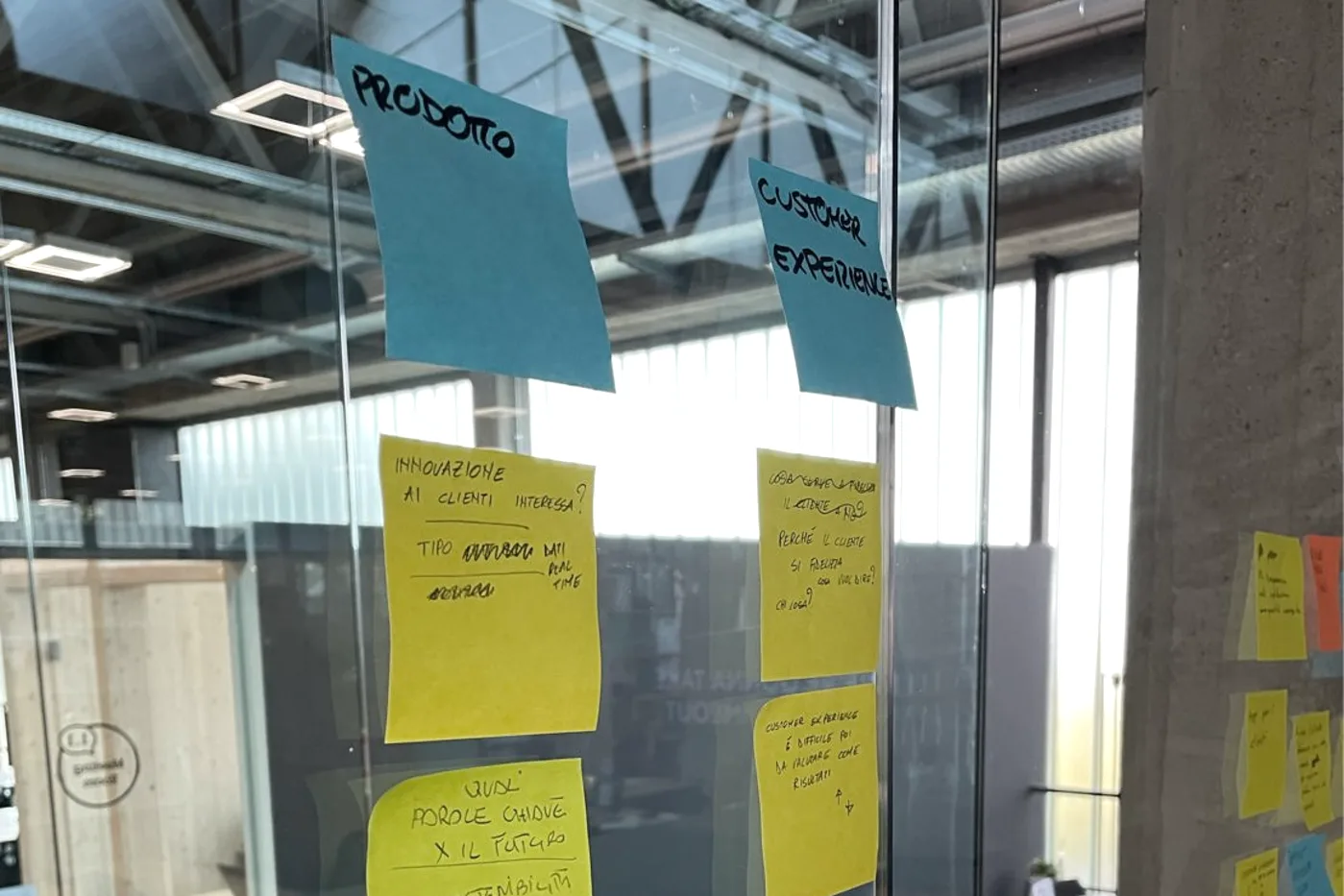
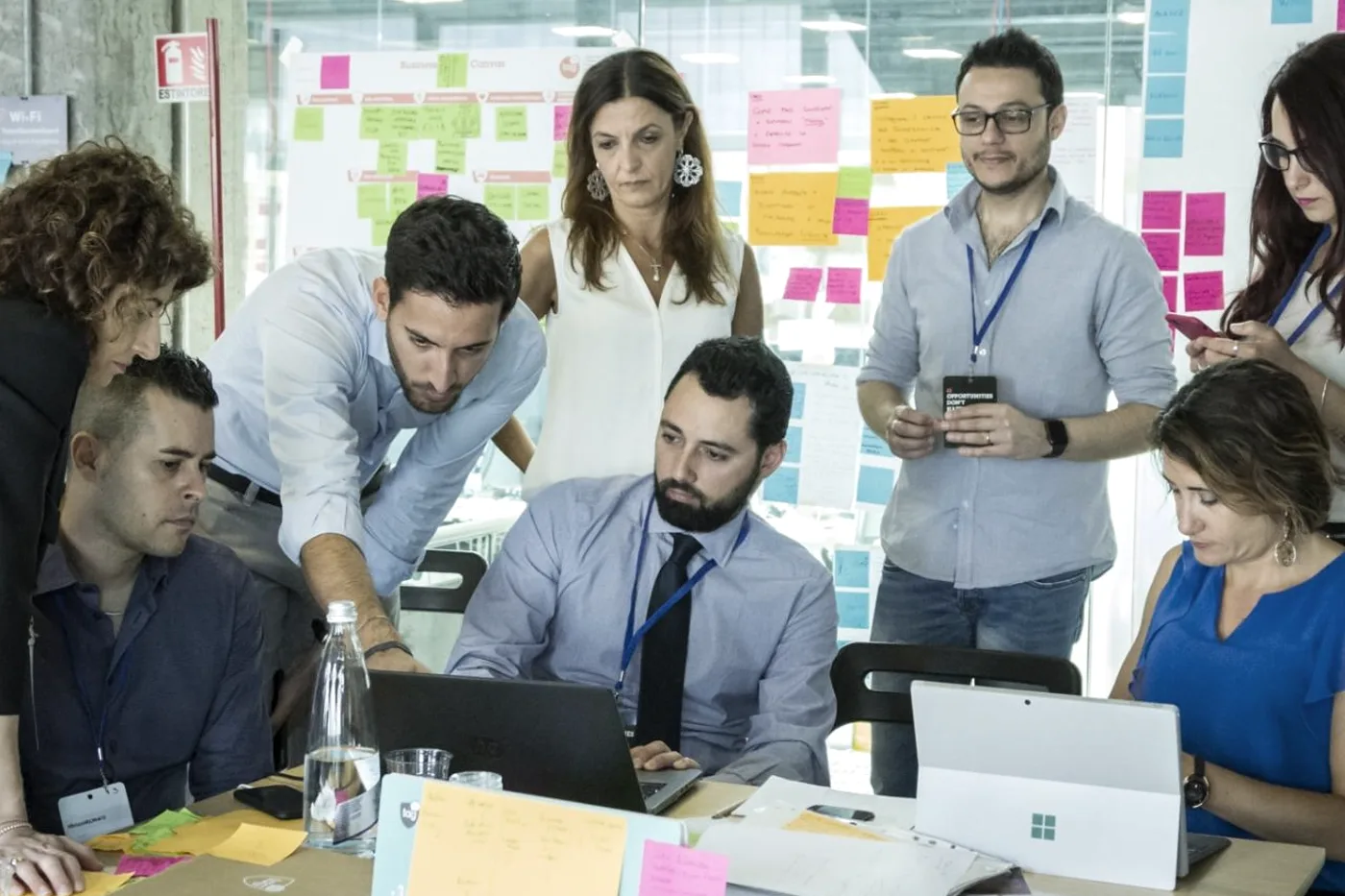
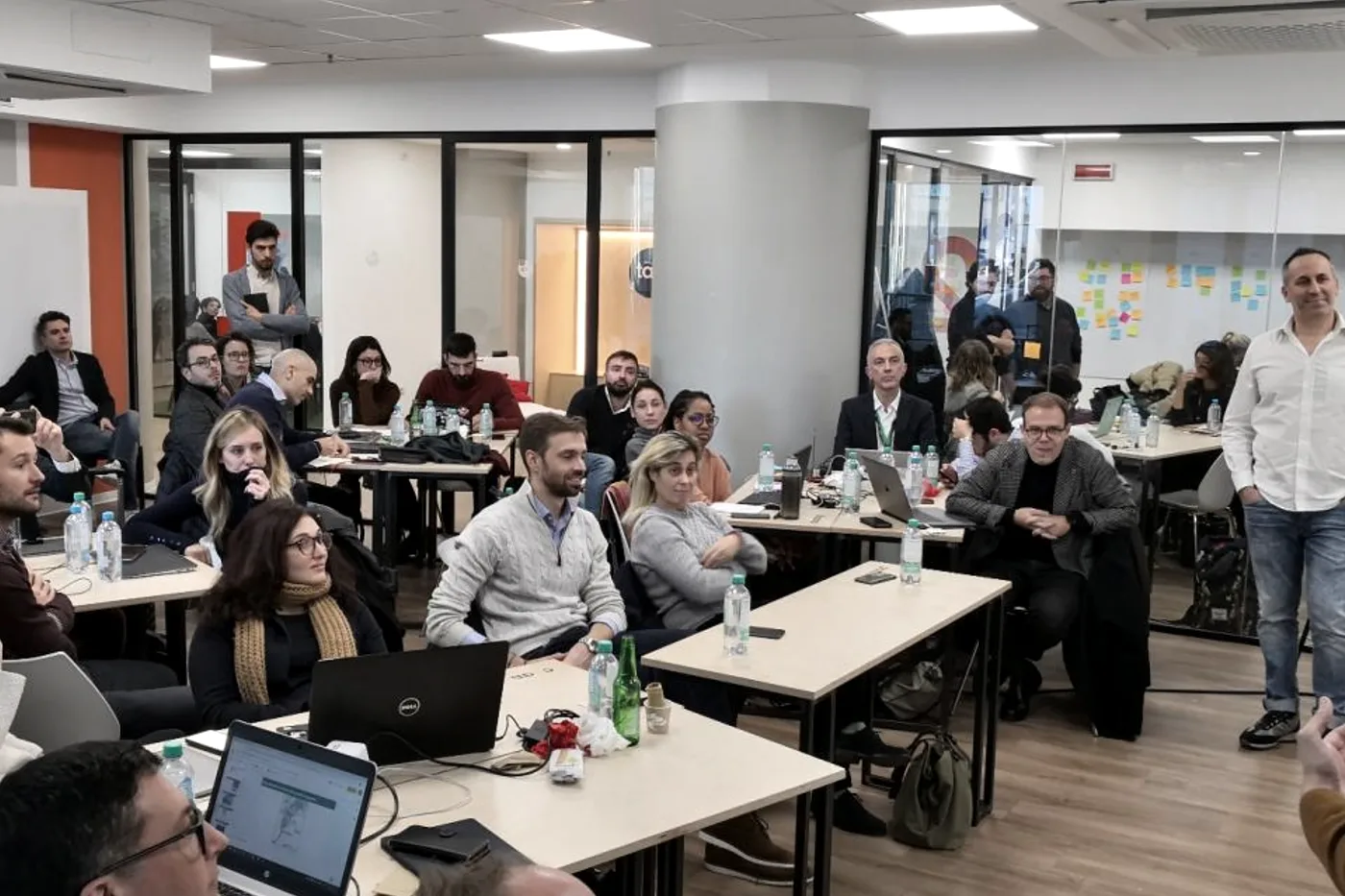
You can start anywhere. Most of the time we start with the workshop, because it costs little and it is the only honest way to find out whether there is something there.
01Envisioning workshop
Scenarios, opportunities, priorities.
Half a day or a full day with your people. I bring innovation scenarios from your industry, benchmarks and use cases already running elsewhere. You leave with a concrete list of opportunities, prioritised together, and clarity on which ones deserve a closer look.
Output: opportunity map, agreed priorities, a defined next step.
02Discovery and roadmap
From needs to prioritised use cases.
Interviews with users and stakeholders, as-is process mapping, requirements gathering. I check where automation and AI genuinely stand up to the numbers, and where a simpler intervention solves the problem better. If a use case does not hold, I say so.
Output: prioritised use cases, written requirements, a roadmap with estimates and technical risks stated openly.
03From use case to validated prototype
Something you can try, before you spend.
Solution design, functional architecture, Figma prototype or working MVP — built with generative AI tooling where it helps, which sharply shortens the gap between an idea and something you can actually try. We put it in front of real users and gather evidence. The point is not to impress: it is to decide, with data, whether to invest in development.
Output: prototype or MVP, validation findings, a reasoned go / no-go recommendation.
04Delivery
From approved solution to production.
Full product ownership: backlog, sprints, coordination of the technical teams, stakeholder management, prioritisation by value. This is what I have been doing for twelve years on enterprise clients, and the reason projects reach the finish line.
Output: solution released to production, backlog maintained, adoption metrics tracked.